At Sleep Better Manchester,
Sleep well. Live well. Age well.
At Sleep Better Manchester, we take a person-centred approach to sleep that combines dentistry, psychology and advanced sleep medicine to find the right solution for each individual.
Sleep problems are rarely caused by just one thing. Snoring, insomnia, unrefreshing sleep, fragmented sleep, fatigue and sleep-disordered breathing can all overlap, and the right treatment often depends on understanding the whole picture: medical history, lifestyle, stress, breathing, medication, menopause, pain and day-to-day habits.
That is why we do not offer ‘one-size-fits-all’ advice. We take time to understand what is affecting your sleep, what matters most to you, and which combination of treatments or referrals is most likely to help.
Sleep is a skill for life, and as life changes, so do the skills we need to learn to use.

Dr Ingleby works in the field of sleep medicine, working with multidisciplinary teams and referred to and from GP ENT Respiratory Breathing practitioners.
Dr Ingleby sees patients who self refer, and also accept referrals from other doctors/clinicians such as GPs or ENT specialists.
Dr Ingleby accept self referrals, multidisciplinary teams or referrals from specialist, GPs, ENT etc.
Sleep Better Manchester – where your sleep, your health, and your wellbeing come first. Let us help you discover better sleep, tailored just for you.
A Broader View Of Sleep: Sleep is not only a night-time issue. What happens during the day affects how you sleep, and poor sleep affects how you feel, think and function during the day.
Some people come to us because of snoring or suspected sleep apnoea. Others are struggling with insomnia, poor-quality sleep, fatigue, menopausal sleep disruption, or sleep that does not feel restorative. Many present with more than one issue at the same time.
Men And Women May Also Present Differently: Men may report louder snoring or witnessed apnoea, while women are more likely to describe fatigue, broken sleep or insomnia. These symptoms are often put down to stress, age or menopause, but there may be more than one cause, and it is often worth looking more carefully.

Everybody needs to breathe oxygen to survive.
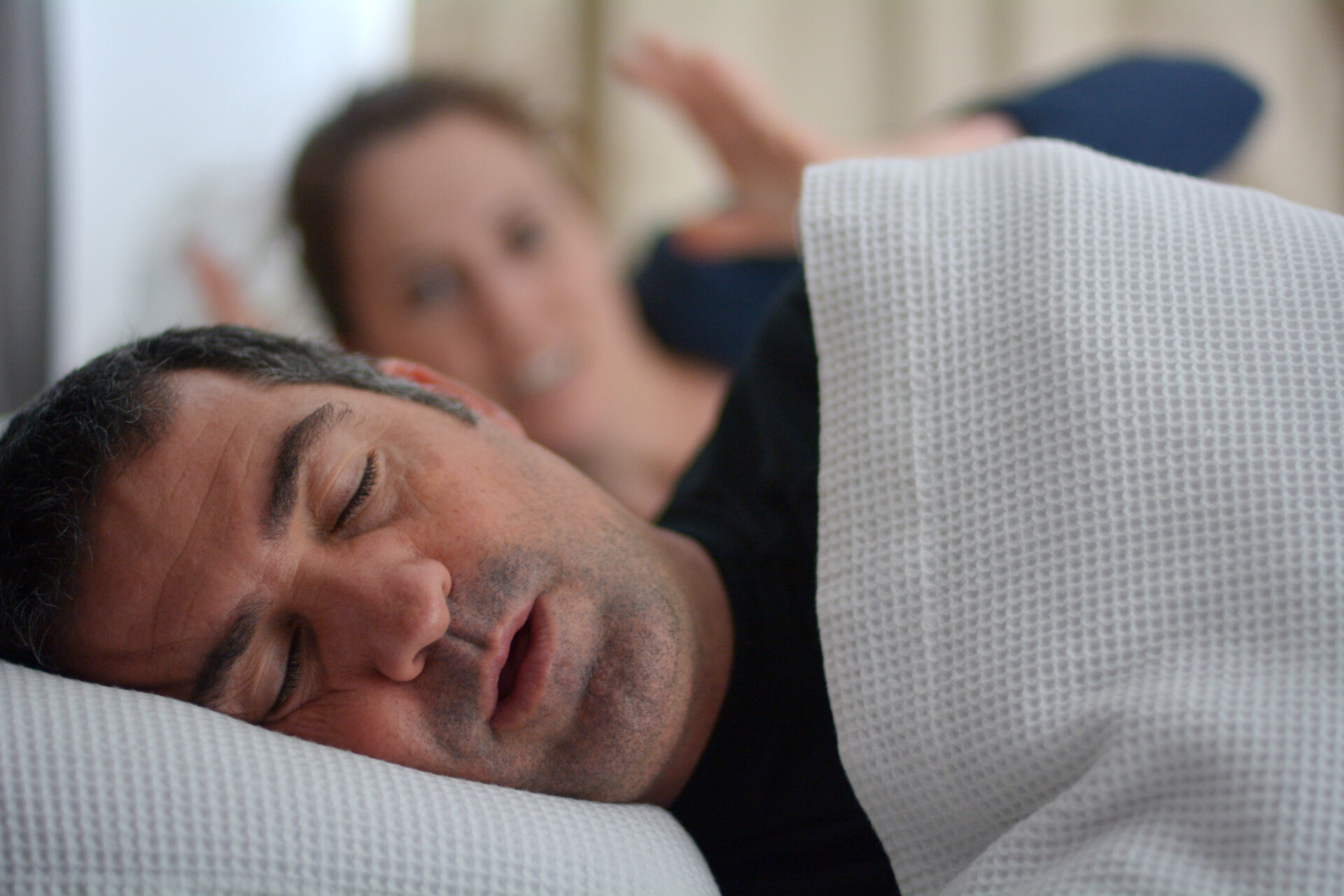
Snoring is the sound of restricted air during breathing whilst sleeping at night. If the airway is further compromised, and more oxygen is restricted to the body (hypopnea), or if the air is totally stopped ( an apnoeic event), then this shocks the body and starts a chain of events that can be harmful to the body if repeated frequently and increases the risks of having certain diseases.
Snoring itself can be just an irritating noise to other, if is very loud if can be more severe and can negatively affect most systems of the body, doubling the risk of stroke, diabetes, cardiovascular disease, atrial fibrillation, and increases risks of Alzheimers.

Sleep is one of the most vital pillars of good health—impacting everything from your physical wellbeing to your relationships, mood, and ability to cope with daily life. As we grow and change, so does our sleep. But when poor sleep becomes persistent, it’s more than just an inconvenience—it’s a serious health concern.
At our practice, we take a holistic, personalised approach to sleep care. We offer consultations designed to assess and address a wide range of sleep issues, including:
We provide in-home sleep tests with detailed, individualised reports to help identify your personal risk factors. From there, we offer a range of treatment options and guidance, always tailored to your specific needs and concerns.
Where appropriate, we also coordinate referrals to a trusted network of specialists, including: General practitioners, sleep clinics, CPAP providers, psychologists, ENT and respiratory physicians, breathing practitioners, weight management support, orthodontists, and myofunctional therapists.
We understand that sleep is influenced by many interconnected factors—physical, emotional, lifestyle, and environmental. That’s why we aim to treat the whole person, not just the symptom.
Why does it matter?
Chronic sleep problems are linked to a higher risk of serious health conditions, including inflammation, diabetes, cardiovascular disease, neurodegenerative conditions such as Alzheimer’s, and even cancer. Poor sleep can affect people of all ages and every stage of life—often quietly, but with profound consequences.
We’re here to help you sleep better—because better sleep means a better life.
Copyright © 2025